Location preference

Enter your country so we can show you products that are available for you.

Quantum Flex in use

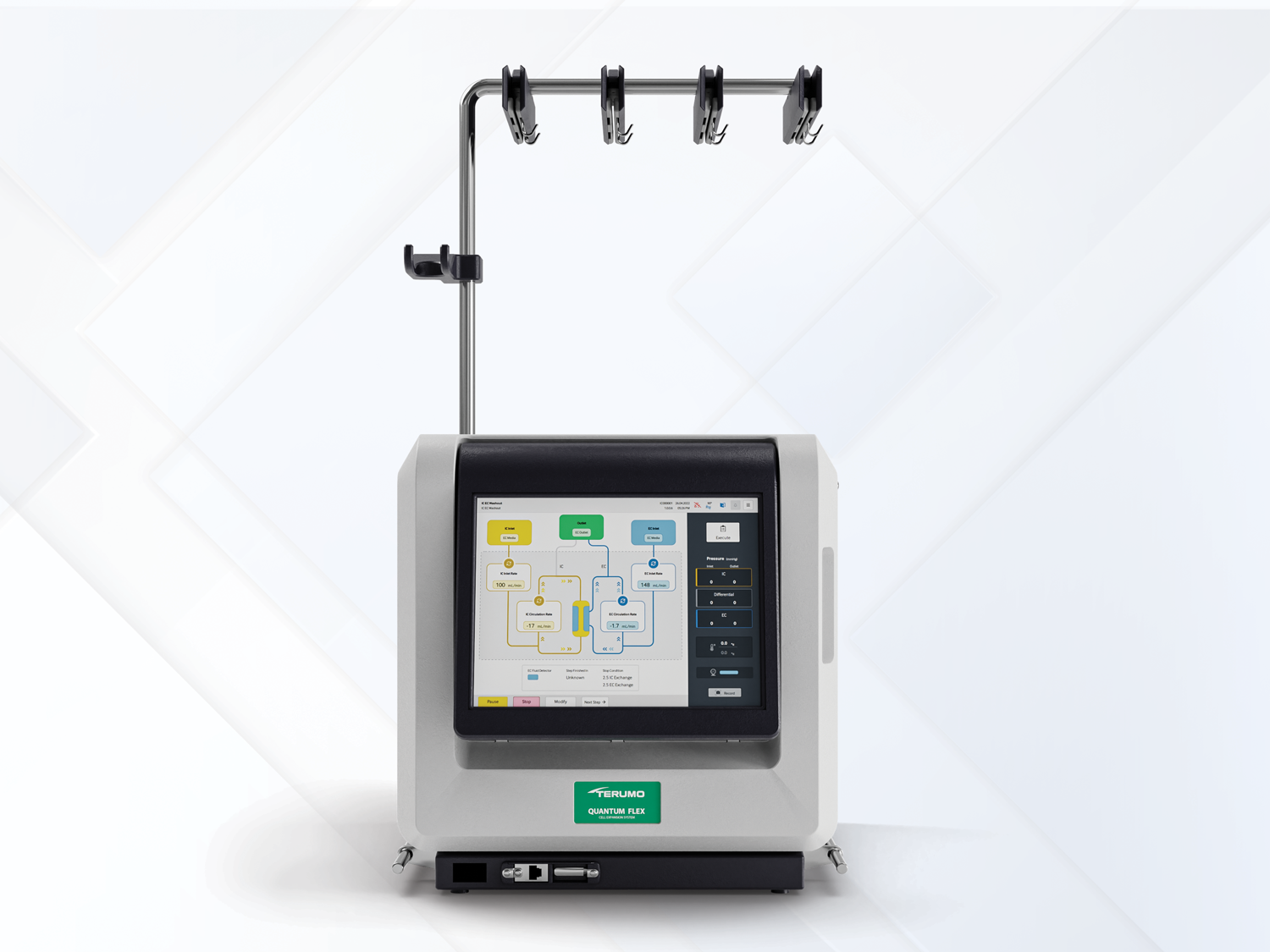
Quantum Flex Cell Expansion System

Inspired by human biology. Designed to scale.

One platform — from discovery to commercialization

Streamlined cell therapy manufacturing with uncompromised biological integrity can help accelerate access to therapies for more patients. The Quantum Flex™ Cell Expansion System is designed to streamline workflows around the biological needs of cells — from early research through commercialization.

Leveraged by more than 150 cell and gene therapy developers and in more than 25 clinical trial programs, the Quantum Flex system is backed by decades of Terumo Blood and Cell Technologies expertise in cell collection and processing.

Witness the power of perfusion. Watch the video here

Support preservation of biological integrity


The Quantum Flex system uses dual-loop fluidic hollow-fiber perfusion technology to mimic the human body's natural perfusion process in a functionally closed, automated bioreactor.

Inspired by the body’s capillary networks, our cell culture bioreactor provides efficient nutrient and gas exchange at physiologically relevant diffusion distances. Its 200 μm-diameter hollow fibers have been shown to improve gas and nutrient transfer compared with traditional culture flasks.

The result is a low-shear, highly controlled environment that delivers fast, high-quality cell expansion.

Future-ready manufacturing on a single platform

The Quantum Flex automated cell culture system supports multiple cell types and custom protocols on a purpose-built platform — offering workflow flexibility without rigid processes.

Predefined tasks can be tailored for both adherent and suspension cells. These closed, automated workflows enable protocol modifications without process redesign or additional equipment.

In addition, by accommodating low amounts of directly seeded material for cell expansion, the Quantum Flex system reduces the time, cost, and risk of contamination associated with manual preculture and shortens your overall manufacturing cycle compared to manual culture.

The Quantum Flex Cell Expansion System can help you reduce costs, labor, and contamination risks.*

  • Minimal seeding requirements
  • High-density cell growth
  • Low harvest volume under 1 liter
  • Fewer open events and less contamination risk*
  • Scalability with two bioreactor sizes
  • Data connectivity and software for scale-out
  • GMP compliance

Expand multiple cell types with operational confidence

Simplify adherent cell manufacturing

The Quantum Flex system is one of the most widely used GMP-compliant bioreactors in mesenchymal stromal cell (MSC) manufacturing.† It supports microcarrier-free adherent cell expansion while helping to reduce process complexity and costs. 

Compared to a manual process, the Quantum Flex system may:


Accelerate suspension manufacturing

Quantum Flex supports rapid, high-density expansion and enables an integrated 3-in-1 workflow that combines activation, transduction, and expansion for CAR-T and TCR-T manufacturing. This automated approach can help shorten production timelines and improve manufacturing consistency.

  • Produces nearly 15.4 billion total cells (up to 6.9 billion CAR-T cells) within 7 to 8 days, reducing manufacturing cycle time by 29%‡
  • Offers nearly two times (2x) the transduction efficiency‡ 
  • Reduces open events to only 13, with the potential to reduce to 3 open events, helping to minimize contamination risk‡

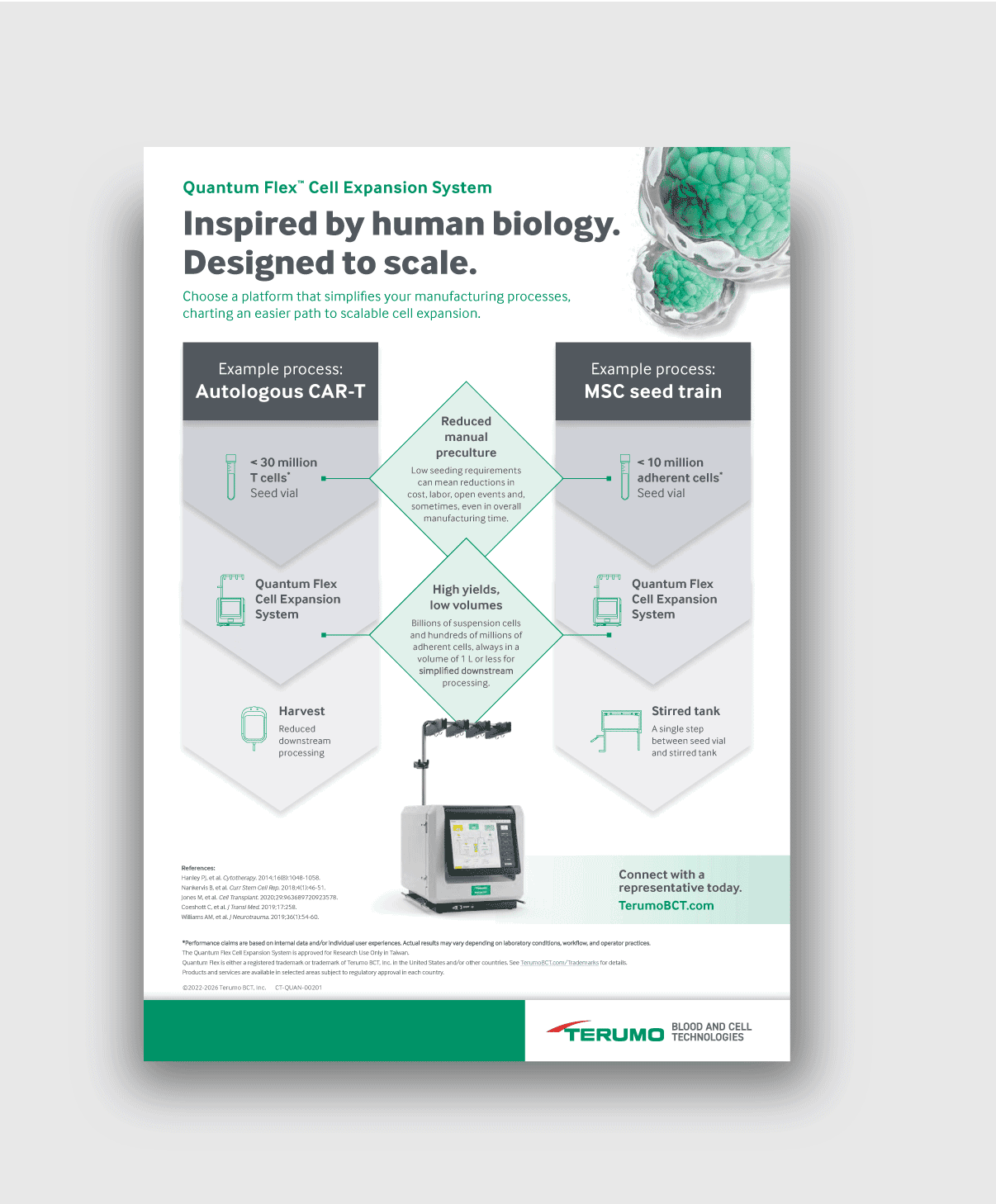
Explore automated CAR-T and MSC cell expansion workflows

View at-a-glance process insights from manual preculture through cell harvest.

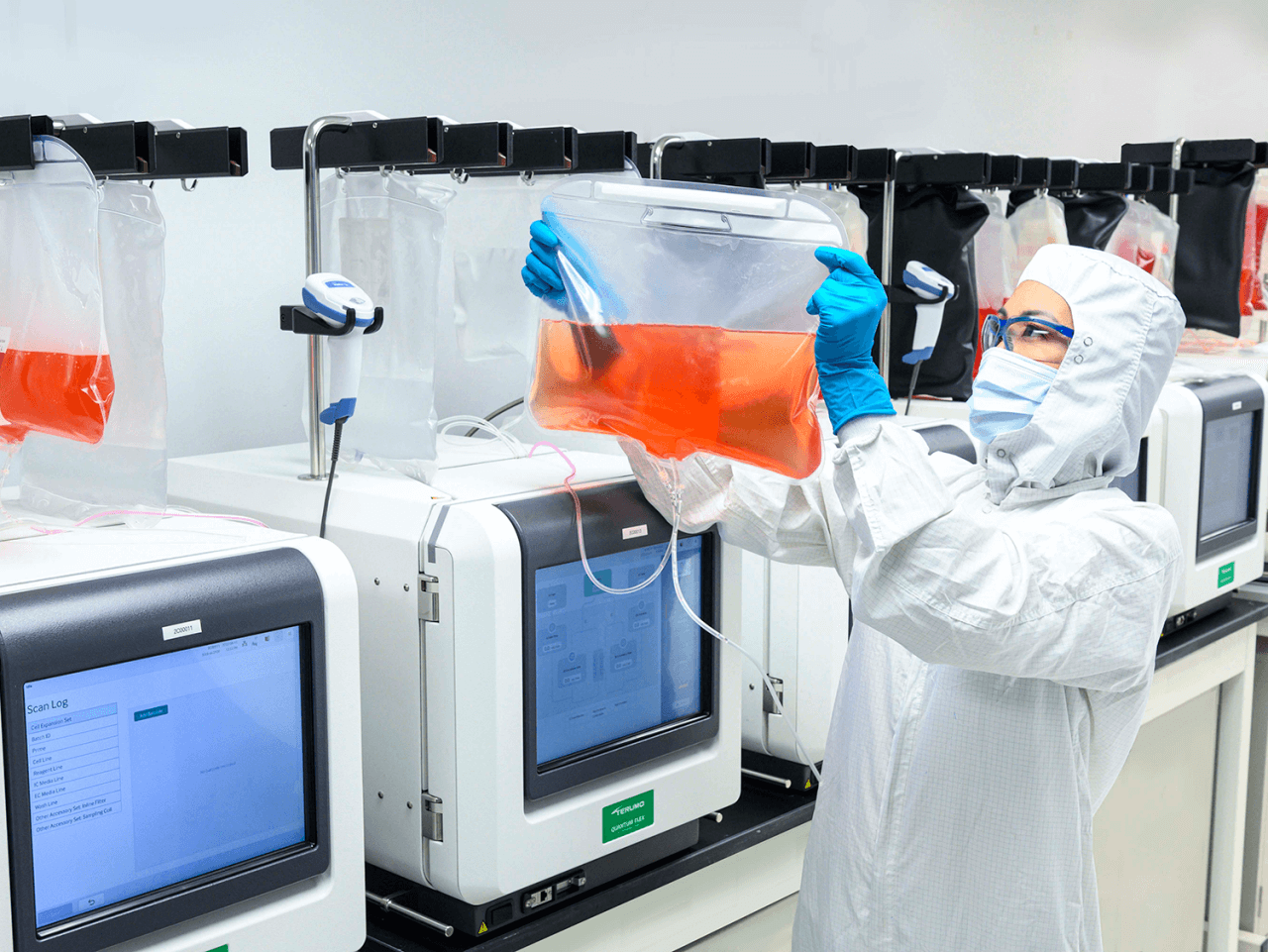
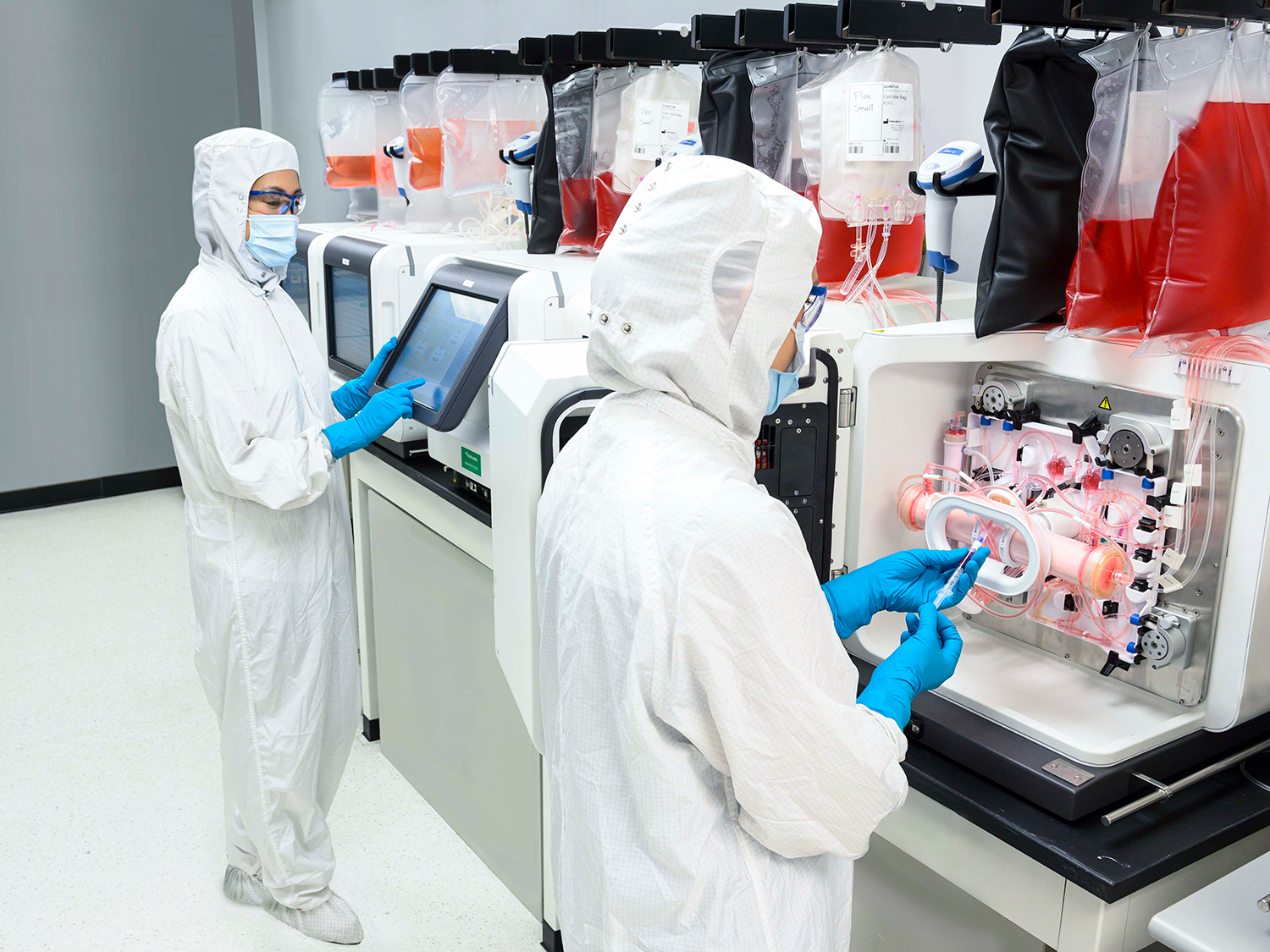
A group of Quantum Flex devices in use.

Cell and gene therapy manufacturing that scales as production requirements change

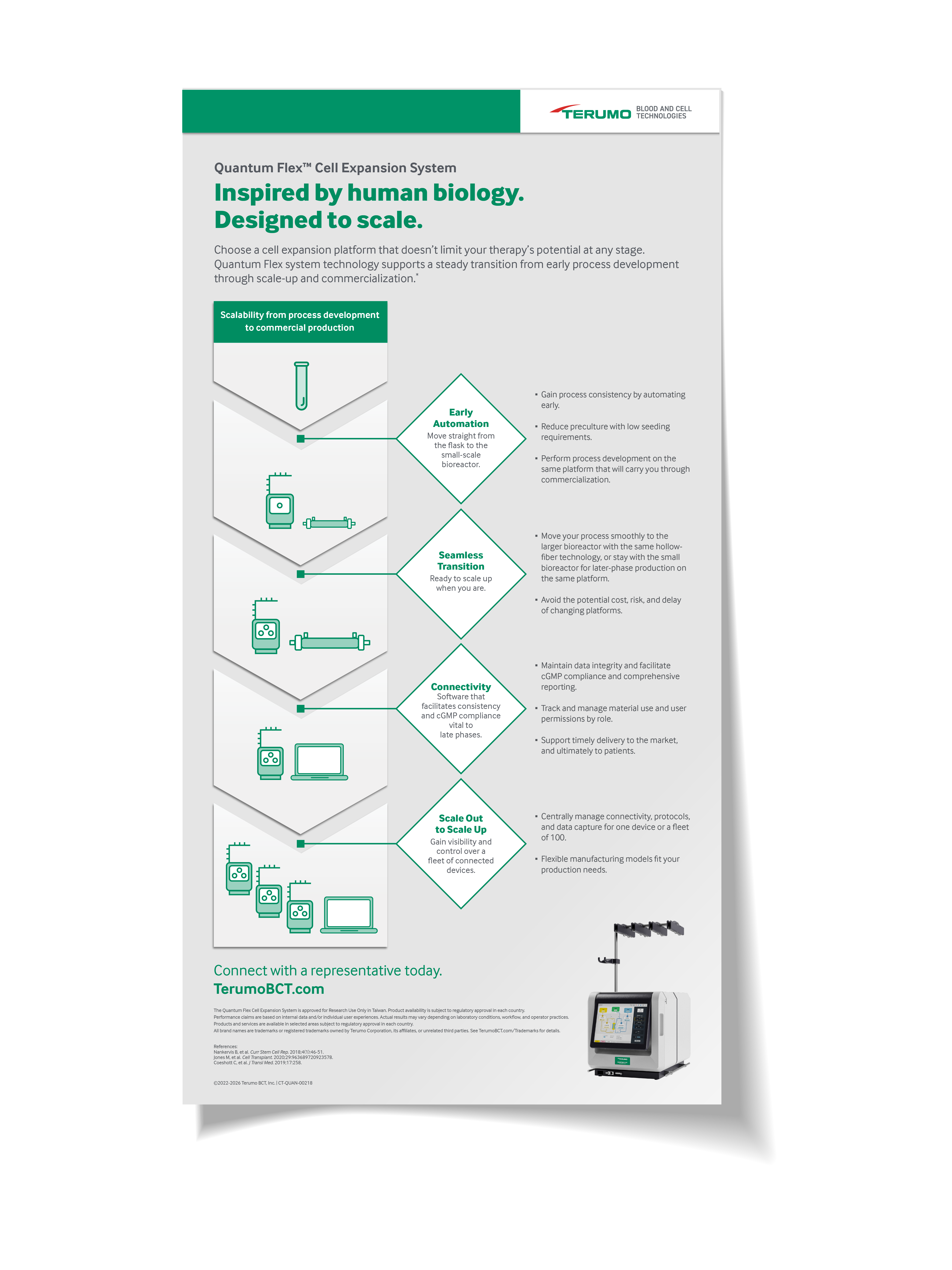
The two bioreactor sizes available in the Quantum Flex Cell Expansion System allow you to move between batch sizes on the same platform, so you can scale up or down as needed for each stage of your process.

With built-in connectivity, it also supports centralized system monitoring and process control as you scale out across additional devices.

The Quantum Flex system is the next generation of the Quantum™ Cell Expansion System. 

Plan for commercialization from the start

See how the Quantum Flex system supports seamless transitions from early automation through commercial production.

Expert support with Veda Solutions

From feasibility assessments and process optimization to operator training, IQ/OQ services, and preventive maintenance, Veda™ Solutions can help maximize the value of your Quantum Flex Cell Expansion System throughout implementation, adoption, and long-term platform performance.

Paving the path to GMP compliance

The Quantum Flex system and its integrated Cell Processing Application (CPA™) software can help you decrease the time, risk, and cost of compliance and data management.

  • Combines automated cell expansion with automated data management, facilitating compliance with  FDA 21 CFR Part 11 and  EU GMP Annex 11.
  • Provides a fully non-DEHP fluid path 
  • Enables barcode tracking (to track material use and enforce rules)
  • Supports user roles and authentication
  • Provides comprehensive run reporting

Featured resources

For operator's manuals and Instructions for Use, visit our eIFU website: Terumo.eifu.com. For more information, visit Help.TerumoBCT.com.

Let’s discuss how Quantum Flex can work in your facility and help your cells thrive.

Disclaimers and Notes

*Compared to a manual process.

†Based on market research conducted in 2024. Data on file.

‡A limited study conducted by Terumo Blood and Cell Technologies demonstrated a Quantum 3-in-1 protocol that produced up to 15.4 billion total cells (up to 6.9 billion CAR-T cells) within 7 to 8 days, using a serum-free system. By contrast, the manual process produced up to 3.3 billion total cells (up to 0.8 billion CAR-T cells) within 10 to 11 days. The same study and protocol achieved significantly higher transduction efficiency at harvest (44.9 ± 4.0% on average for the Quantum system vs. 25.6 ± 8.9% on average for manual process), increasing CAR-T cell yield in comparison to the manual process. The study’s protocol also manufactured CAR-T cells with only 13 open steps, with the potential to reduce to 3 steps, significantly reducing contamination risks.

To top